What to Expect
Navigating a MOGAD diagnosis is a journey. Understanding what to expect at each stage can help reduce uncertainty and anxiety.
At Diagnosis
Receiving a MOGAD diagnosis can bring many emotions—relief at having an answer, concern about what it means, uncertainty about the future. These feelings are completely normal and understandable.
Many families describe the diagnostic process as a journey. It may have involved multiple doctor visits, various tests, and perhaps some uncertainty along the way. Having a diagnosis can provide clarity, but it may also raise new questions.
Early Care
During an active episode, healthcare providers may recommend treatments aimed at reducing inflammation. This often involves high-dose corticosteroids or other medications.
Rehabilitation services, such as physical therapy, occupational therapy, or vision therapy, may be helpful during recovery. The goal is to support healing and restore function.
If MOGAD affects your vision or optic nerves, read our dedicated page on Neuro-Ophthalmology and your care, including how specialists fit in and trusted resources such as NANOS.
Recovery & Monitoring
Recovery from MOGAD episodes can vary significantly. Some people recover completely, while others may have some ongoing symptoms. The timeline for recovery can also vary—some people recover quickly, while others may take longer.
Ongoing monitoring is typically part of MOGAD care. This may involve regular check-ins with healthcare providers, periodic imaging studies, and monitoring for any new symptoms.
Long-term Follow-up
It's natural to feel uncertain about the future. MOGAD can be unpredictable, and researchers are still learning about long-term outcomes.
Some people have a single episode and never have another, while others may have recurrent episodes. The timing and frequency of episodes, if they occur, can vary widely.
Common Symptoms
Symptoms can vary significantly from person to person
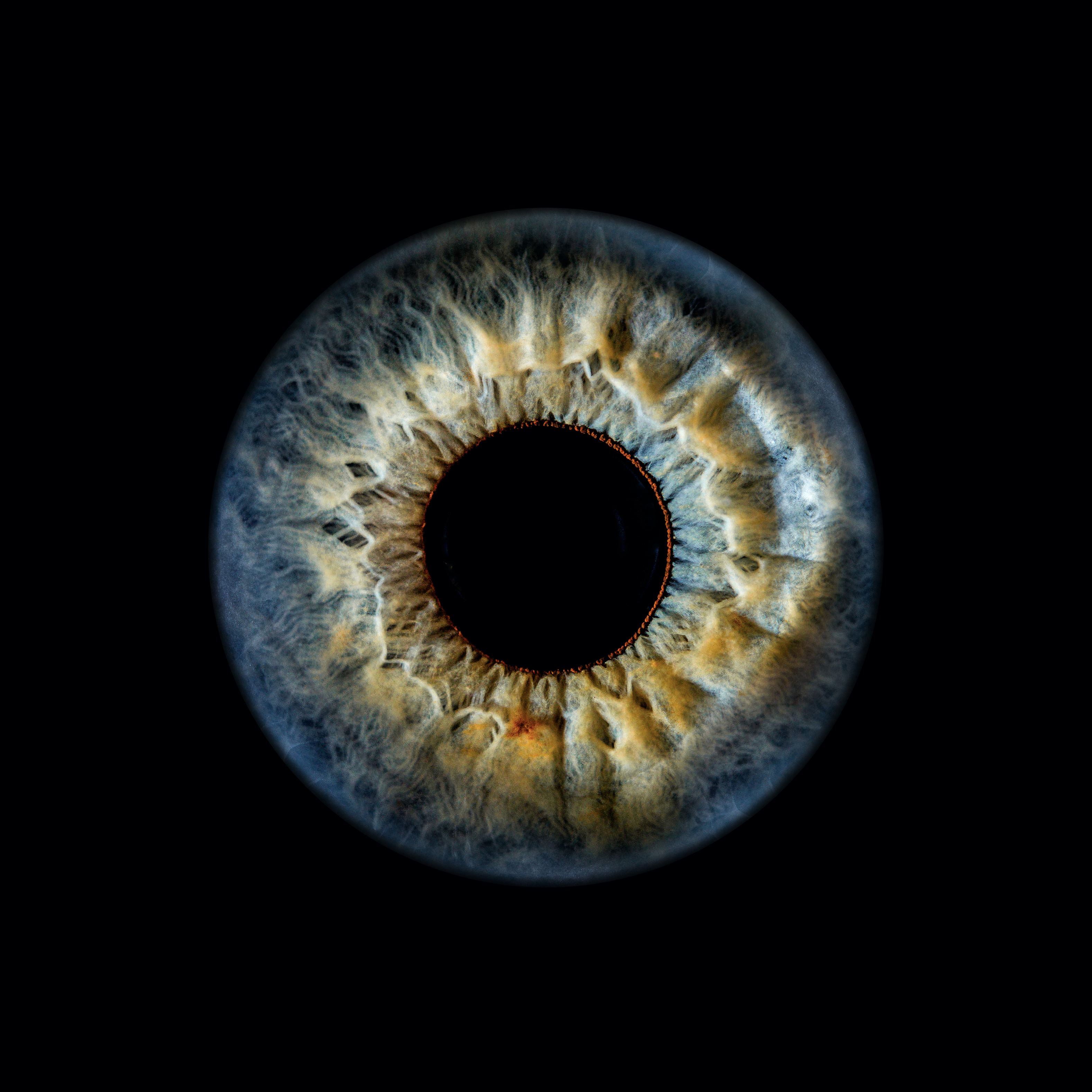
Vision Problems
Optic neuritis is one of the most common presentations of MOGAD, causing blurred vision, pain with eye movement, and sometimes temporary vision loss.
Many patients describe this as their first noticeable symptom.
Neurological Symptoms
MOGAD can affect various parts of the nervous system, leading to weakness, numbness, coordination difficulties, and balance problems.
Some patients also experience severe nausea, vomiting, or persistent hiccups.
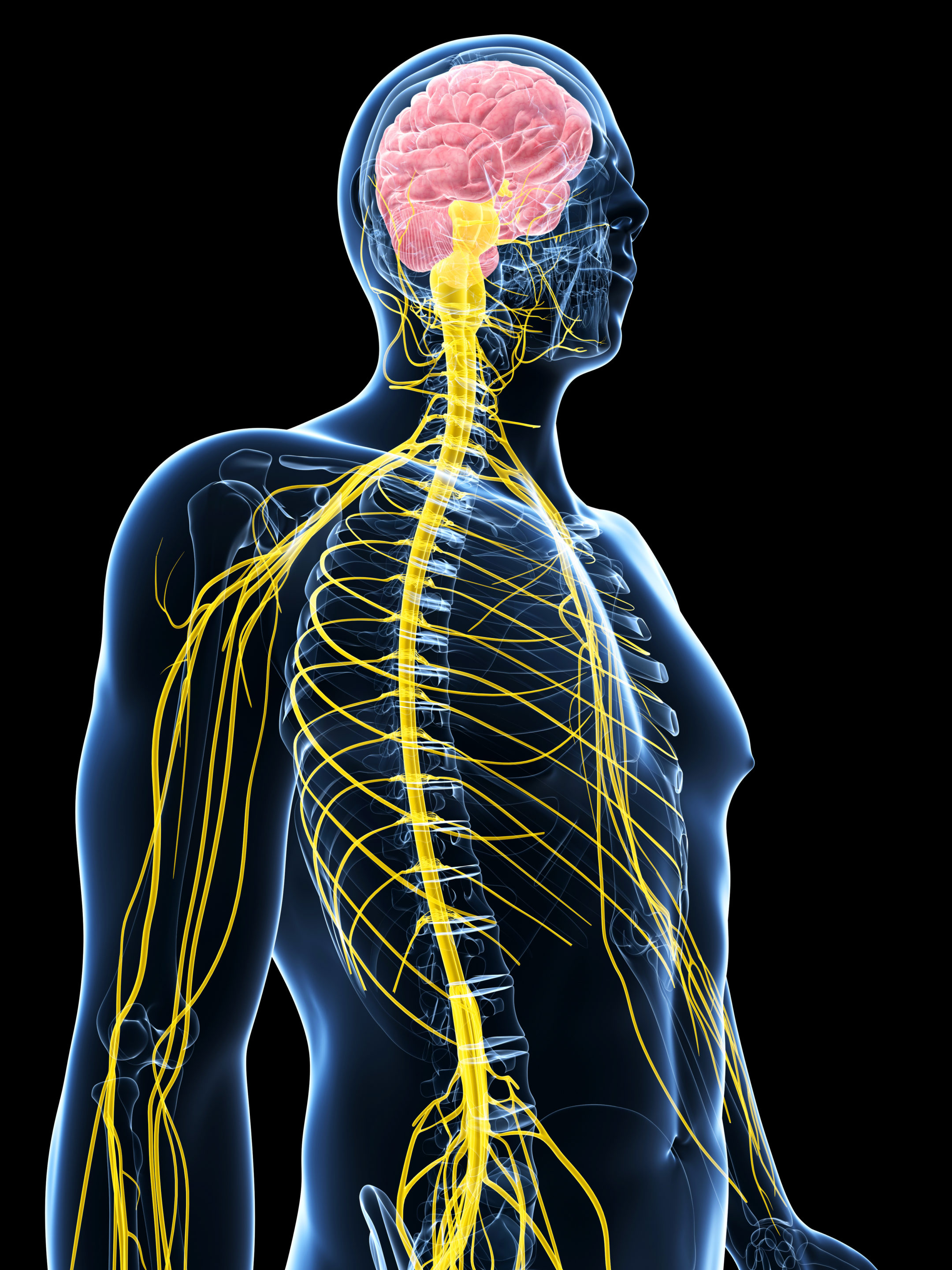
Other Symptoms May Include
While the symptoms above are most common, some patients may experience additional or rarer symptoms.
Brainstem Symptoms
Persistent hiccups, severe nausea and vomiting, difficulty swallowing, or double vision may indicate brainstem involvement.
Severe Fatigue
Overwhelming exhaustion that doesn't improve with rest, often accompanied by frequent or intense headaches.
Sensory Changes
Abnormal sensations like burning, tingling, or "pins and needles" feeling in various parts of the body.
Important Note: Symptom presentation varies significantly between individuals. Not everyone will experience these symptoms, and the severity can range from mild to severe. Early recognition and consultation with a neurologist is crucial.
Frequently Asked Questions
No, MOGAD is not contagious. It is an autoimmune condition, which means the body's immune system mistakenly attacks its own healthy tissues. You cannot catch MOGAD from another person, and you cannot pass it to others. It is not spread through contact, air, or any other means of transmission.
MOGAD is not directly inherited like some genetic conditions. However, researchers are studying whether there may be genetic factors that could make some people more susceptible to developing autoimmune conditions like MOGAD. Most people with MOGAD do not have a family history of the condition, but having a family member with an autoimmune condition may slightly increase risk. If you have concerns about family risk, discuss them with your healthcare provider.
MOGAD can be serious, but the severity varies significantly from person to person. Some people experience a single episode and recover well, while others may have recurrent episodes. The condition can affect vision, movement, and other functions, which can impact daily life. However, with proper diagnosis and treatment, many people with MOGAD manage their condition effectively and live full, active lives. Early diagnosis and appropriate treatment are important for the best outcomes.
Yes, MOGAD can affect people of any age, including children and adults. However, it appears to be more common in children and young adults. The condition is rare, which means it affects a small number of people overall. MOGAD can occur in people of any gender, race, or ethnicity, though some patterns have been observed in research. If you or a loved one is experiencing symptoms that could be related to MOGAD, it's important to seek medical evaluation.
No, MOGAD and multiple sclerosis (MS) are different conditions, though they can have similar symptoms and both affect the nervous system. MOGAD is caused by antibodies that attack the MOG protein, while MS has a different underlying cause. The conditions can look similar on imaging studies and may have overlapping symptoms, which is why proper testing for MOG antibodies is important for accurate diagnosis. Treatment approaches may also differ between the two conditions.
Treatment for MOGAD typically involves two main approaches: treating acute attacks and preventing future episodes. During an active attack, healthcare providers may use high-dose corticosteroids to reduce inflammation. For some people, plasma exchange or intravenous immunoglobulin (IVIG) may be used. To prevent future episodes, some people may need ongoing medication such as immunosuppressants or IVIG. Treatment decisions are made by healthcare providers based on individual circumstances, including symptom severity, frequency of episodes, and other factors. It's important to work closely with a neurologist experienced in treating MOGAD.