Why This Resource Exists
MOGAD is rare, so information about it is often scattered, highly technical, or hard to find at all. MIND pulls the research together in one place and explains it in plain language, so patients and families can actually understand what they’re facing.
Learn About Our MissionUnderstanding MOGAD
Myelin oligodendrocyte glycoprotein antibody–associated disease (MOGAD) is a rare neurological condition. This resource provides evidence-based information in clear, accessible language.
What MOG Normally Does
MOG is a protein that helps form myelin, a protective layer around nerves. Think of myelin like the insulation around electrical wires—it helps signals travel quickly and safely.
Learn moreWhat Happens in MOGAD
In MOGAD, the immune system mistakenly attacks the MOG protein. This damages the myelin coating, making it harder for nerve signals to travel properly.
Learn moreHow Nerves Are Affected
When myelin is damaged, it can affect vision, movement, sensation, and coordination. The specific symptoms depend on which nerves are affected.
Learn moreImpacts of MOGAD
Understanding the Numbers
MOGAD is a rare autoimmune neurological condition that affects people differently. While statistics help us understand its general patterns, every person's experience is unique.
Why These Statistics Matter
Epidemiological data provides critical insights into disease patterns, symptom prevalence, and clinical outcomes. Understanding these metrics enables healthcare providers to develop targeted treatment protocols and helps establish evidence-based expectations for disease progression and management strategies.
- Facilitates early symptom recognition and differential diagnosis
- Informs evidence-based treatment planning and preventive care
- Supports accurate prognostic assessment and outcome prediction
- Enables participation in clinical research and patient registries
The Research Behind the Data
These statistics come from peer-reviewed research studies and ongoing clinical observations. As research continues, our understanding of MOGAD continues to evolve and improve.
What This Means for You
If you or a loved one has been diagnosed with MOGAD, remember that these numbers represent patterns across many people—your individual experience may differ. The most important thing is working closely with your healthcare team to develop a personalized treatment plan.
- Every person's journey with MOGAD is unique
- Early diagnosis and treatment can improve outcomes
- Regular monitoring helps catch relapses early
- Support networks and resources are available
MIND in the News
MIND and its founder have been featured in local and regional press for making rare-disease information clear and accessible to the families who need it.

Rare disease diagnosis inspires Carmel student to launch informational website
April 6, 2026 Read the article ↗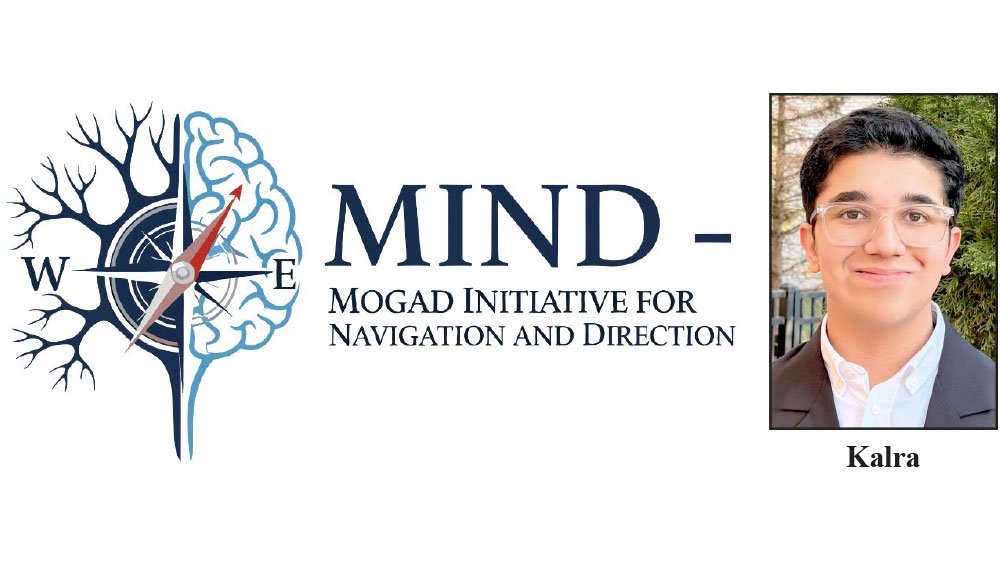
Turning rare disease into opportunity to help others
April 13, 2026 Read the article ↗
Carmel student pens children’s book to help them understand rare MOGAD diagnosis
July 21, 2026 Read the article ↗
Meet Ayan Kalra
August 24, 2026 Read the article ↗“I have seen firsthand how it can be hard finding clear and understandable information on the internet, and my website hopes to bridge that gap between complexity and accessibility, making knowledge and information clear to anyone who wishes to know more about the disease.”— Ayan Kalra, Founder of MIND, to Current
Help Families Who Are Still Waiting for Answers
Behind every MOGAD diagnosis is a person, a parent, a child, and a family trying to hold on to hope. Your support helps drive education and research that can lead to faster diagnosis, better treatment, and better outcomes.